
Karnataka Health Minister Urges Public to Use Alternatives as 108 Ambulance Staff Threaten Strike
Karnataka Health Minister U.T. Khader has advised citizens to seek alternative transport options for medical emergencies over the next two months as 108 ambulance personnel threaten a statewide work stoppage.
News Desk · October 15, 2026 · 2 min read
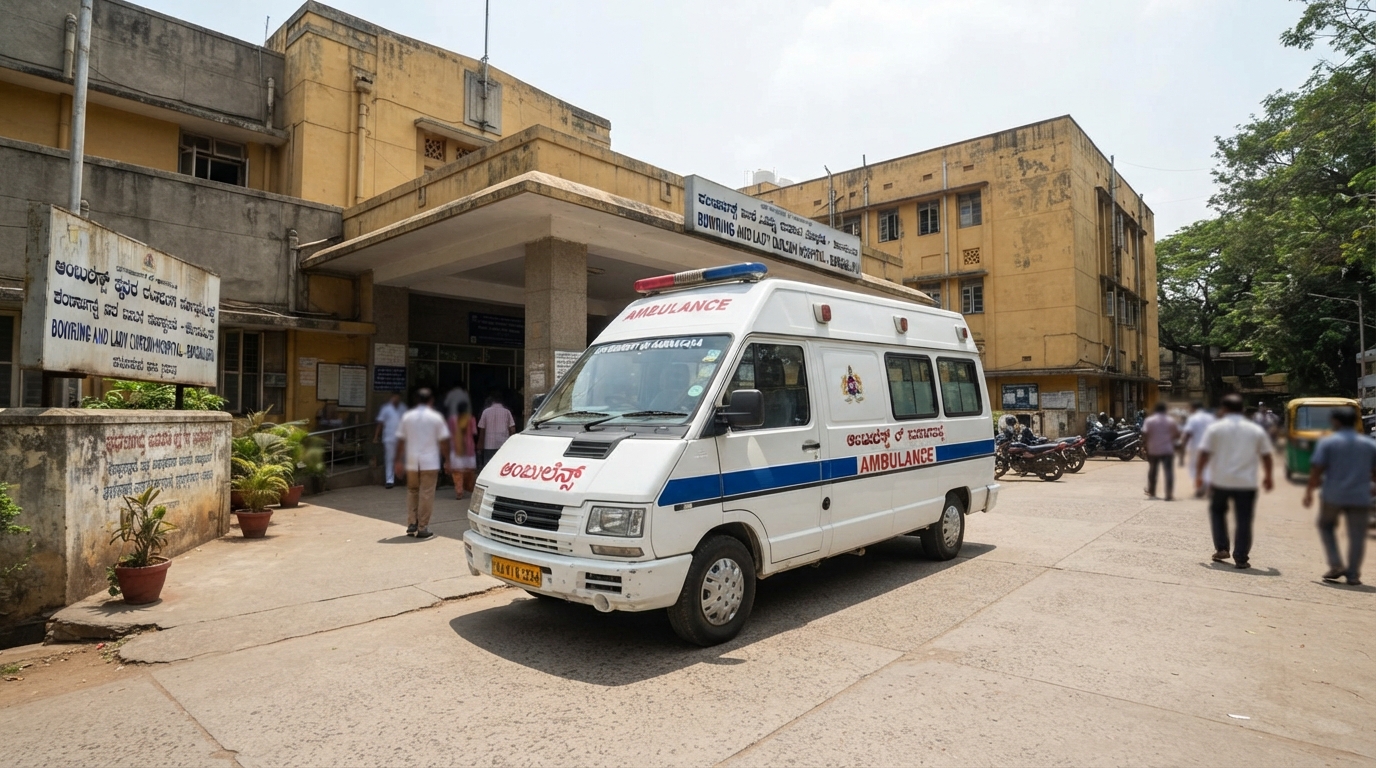

Karnataka Health and Family Welfare Minister U.T. Khader urged citizens on Tuesday to consider alternative transport arrangements for medical emergencies over the coming two months, citing potential disruptions as workers attached to the 108 Arogya Kavacha ambulance network threatened a statewide strike.
The appeal highlights vulnerabilities in public healthcare logistics, affecting thousands of patients who rely on the emergency transit network for urgent hospital admissions across urban and rural districts.
Approximately 3,200 drivers, emergency medical technicians, and attendants operating under the GVK EMRI Health Services banner warned they would halt services and stage protests over unfulfilled service-related demands. The employee associations are pressing for salary revisions stipulated in initial appointment letters, uniform pay structures across zones, seniority-based salary fixation, job security, and accident compensation for staff families.
Union representatives stated that discussions with both the contracting private firm and state authorities failed to yield concrete solutions, prompting the ultimatum for mass resignations and demonstrations at Freedom Park. Staff representatives claimed that wage increments had stalled for extended periods while living costs escalated.
Addressing reporters in Bengaluru, Minister Khader adopted a firm stance, declaring that the state administration would not yield to pressure tactics from personnel employed by an external agency. He emphasized that the workers are on the payroll of GVK EMRI rather than the direct state government cadre, advising them to resolve administrative disputes directly with their employer.
The minister acknowledged existing structural limitations within the emergency fleet, noting that response times currently stretch between 45 minutes and an hour in certain regions. He added that the state operates roughly 400 operational ambulances against an estimated requirement of 750 vehicles.
To bridge gaps during potential disruptions, Khader suggested that citizens utilize approximately 1,000 ambulances stationed across various government hospitals. He warned the private service operator of strict legal and administrative action if patient care suffered due to staff shortages or unmitigated service stoppages.
The health department intends to overhaul the emergency transit framework by December by issuing fresh tenders, restructuring service policies, and inducting additional vehicles into service.