
Karnataka High Court strikes down law hiking SC and ST quotas
The Karnataka High Court has declared the legislation increasing reservation for Scheduled Castes and Scheduled Tribes unconstitutional, ruling that the 50% overall cap remains binding.
News Desk · October 13, 2026 · 1 min read
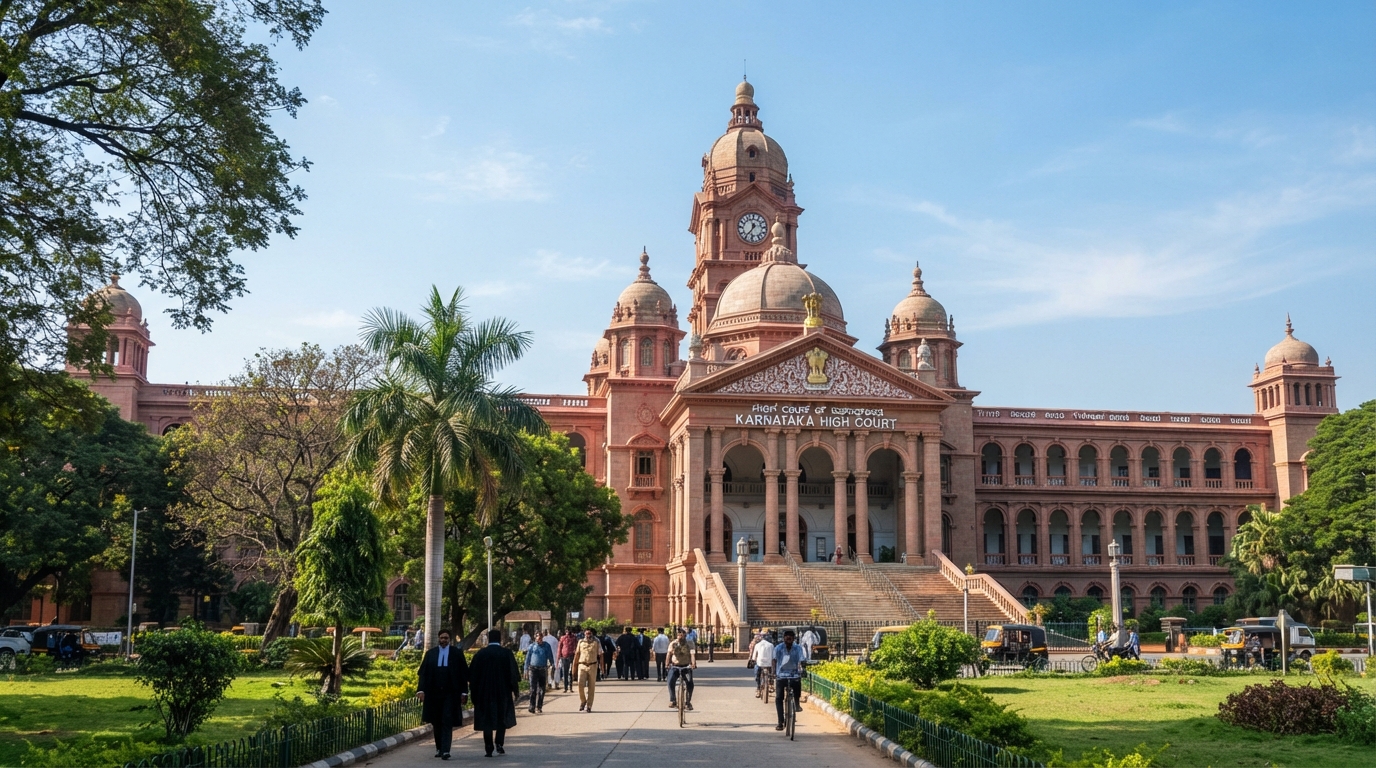

BENGALURU: The Karnataka High Court on Monday struck down the state legislation that had increased quotas for Scheduled Castes and Scheduled Tribes, ruling the enactment unconstitutional for breaching the upper limit on affirmative action.
A Division Bench delivered the judgment, holding that the 50% ceiling on total reservations established by the Supreme Court functions as a binding constitutional principle. The ruling dismantles the amended framework that had pushed cumulative reservation levels in the state to 56%.
The court observed that matching reservation percentages directly to specific caste populations is fundamentally flawed. Relying on population proportions to fix quotas would dismantle the foundational constitutional guarantees of equality before the law, the bench noted in its order.
The legislation in question had sought to elevate the quota for Scheduled Castes from 15% to 17% and for Scheduled Tribes from 3% to 7%. This push had expanded the total reservation share in public employment and educational admissions beyond the constitutional ceiling previously mandated by judicial precedents.
Legal experts tracking constitutional litigation noted that the ruling reaffirms the strict applicability of the Indira Sawhney judgment guidelines across state jurisdictions. Several petitions had challenged the validity of the enhanced quotas immediately after the legislation was enacted, arguing that it violated basic structure doctrines and created an exclusionary administrative framework.
State government legal advisors are currently reviewing the full text of the judgement to determine the next course of action. Discussions are expected among senior cabinet ministers and advocates to weigh the possibility of filing an appeal before the Supreme Court.
The immediate consequence of the verdict requires admission and recruitment authorities to revert to the pre-amendment reservation matrix. Educational institutions and public recruitment boards will need to recalibrate upcoming selection lists to comply with the restored limits.