Form-7 Wave Triggers Intense Political Battle Across Karnataka Electoral Rolls
A fierce political controversy has erupted in Karnataka over the mass filing of Form-7 applications during the ongoing electoral roll revision, with allegations pointing toward targeted minority deletions.
News Desk · · 2 min read
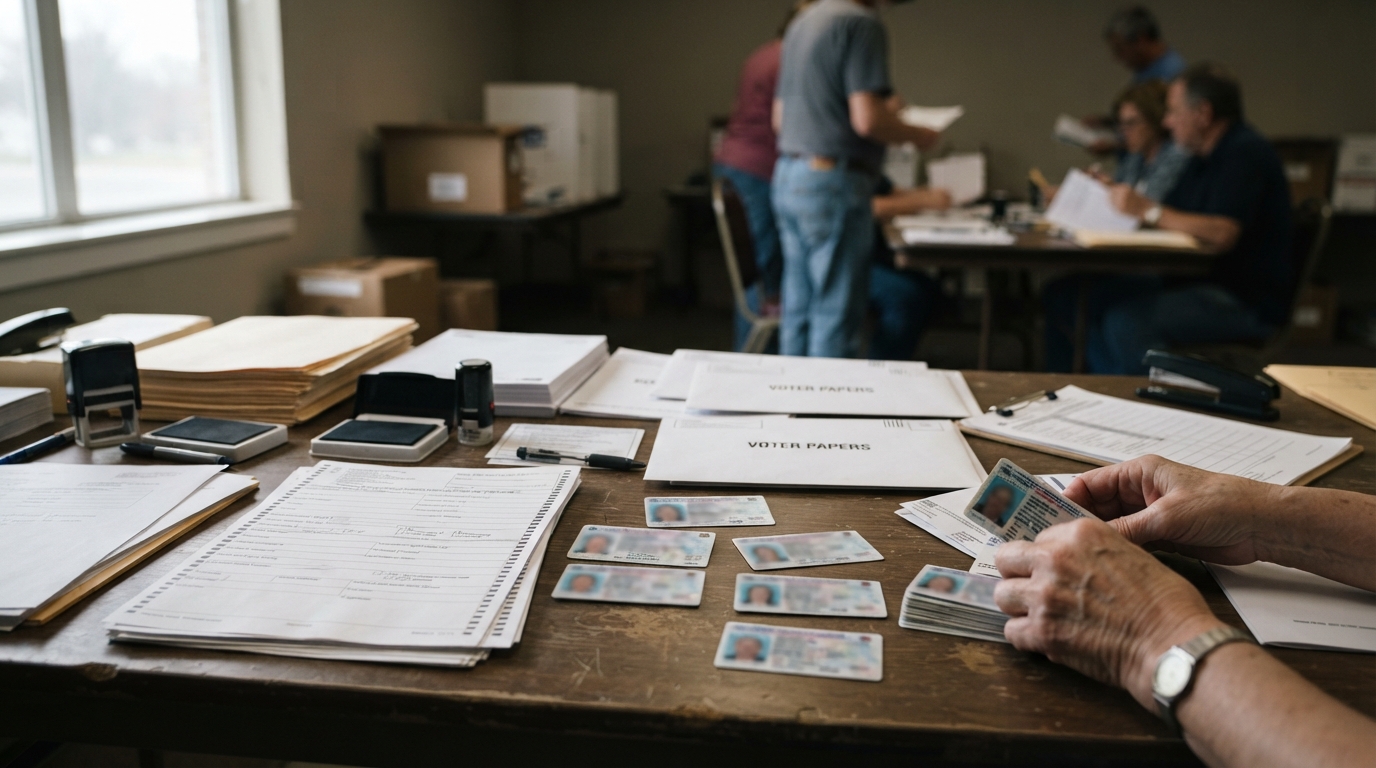

The Special Intensive Revision of electoral rolls in Karnataka has unexpectedly turned into a major political battleground following the large-scale submission of Form-7 applications. The document, which is officially utilized to object to voter inclusions or request the removal of names due to shifting or death, has triggered widespread concern after thousands of applications surfaced seeking mass deletions. State authorities and political leaders have locked horns over who is orchestrating these bulk filings, which critics argue disproportionately target minority and marginalized communities.
Data gathered from various constituencies revealed that thousands of objection forms were lodged in a compressed timeframe, often just before the deadline for claims and objections closed. Several Booth Level Officers reported receiving pre-filled paperwork where voter details were already printed out, while the identities of the objectors appeared hastily handwritten or left empty. Local representatives and community members flagged that these petitions frequently named individuals who had lived at the same addresses for decades, falsely labeling them as permanently relocated or absent.
The unfolding situation has prompted sharp pushback from the ruling administration. Ministers and senior state leaders staged prolonged protests outside electoral offices, accusing opposition factions of running a calculated conspiracy to disenfranchise genuine voters. Particular focus has been drawn to constituencies where thousands of removal requests targeted Muslim residents and other vulnerable groups within a span of just a couple of days. Officials emphasized that allowing pre-printed objection forms to flood the administrative machinery undermines the integrity of democratic participation.
In response to the mounting outcry, law enforcement agencies initiated several first information reports across multiple districts, booking suspects under various sections associated with forgery, cheating, and criminal conspiracy. This legal step quickly sparked another debate regarding jurisdiction, as legal experts and opposition figures questioned whether local police hold the authority to independently probe electoral roll mechanisms typically governed by central election rules. Opposition leaders rejected the allegations entirely, accusing the ruling party of deploying police intimidation tactics against political workers and demanding that officials substantiate their claims or step down.
State electoral authorities have sought to calm mounting anxieties by clarifying that no citizen's name has been struck off the voters' list merely on the basis of a submitted Form-7 request. Officials stressed that every single deletion notice must pass through verification procedures and due administrative process handled by designated registration officers before any modifications are finalized. Meanwhile, political friction remains high across the state as authorities continue processing objections ahead of the final publication of the revised rolls.