
Cjp leaders released by delhi court on bond to maintain peace for one year
Cockroach Janta Party leaders Abhijeet Dipke, Saurav Das and Ashutosh Ranka were released from preventive detention on Sunday following an executive magistrate court order.
News Desk · · 1 min read
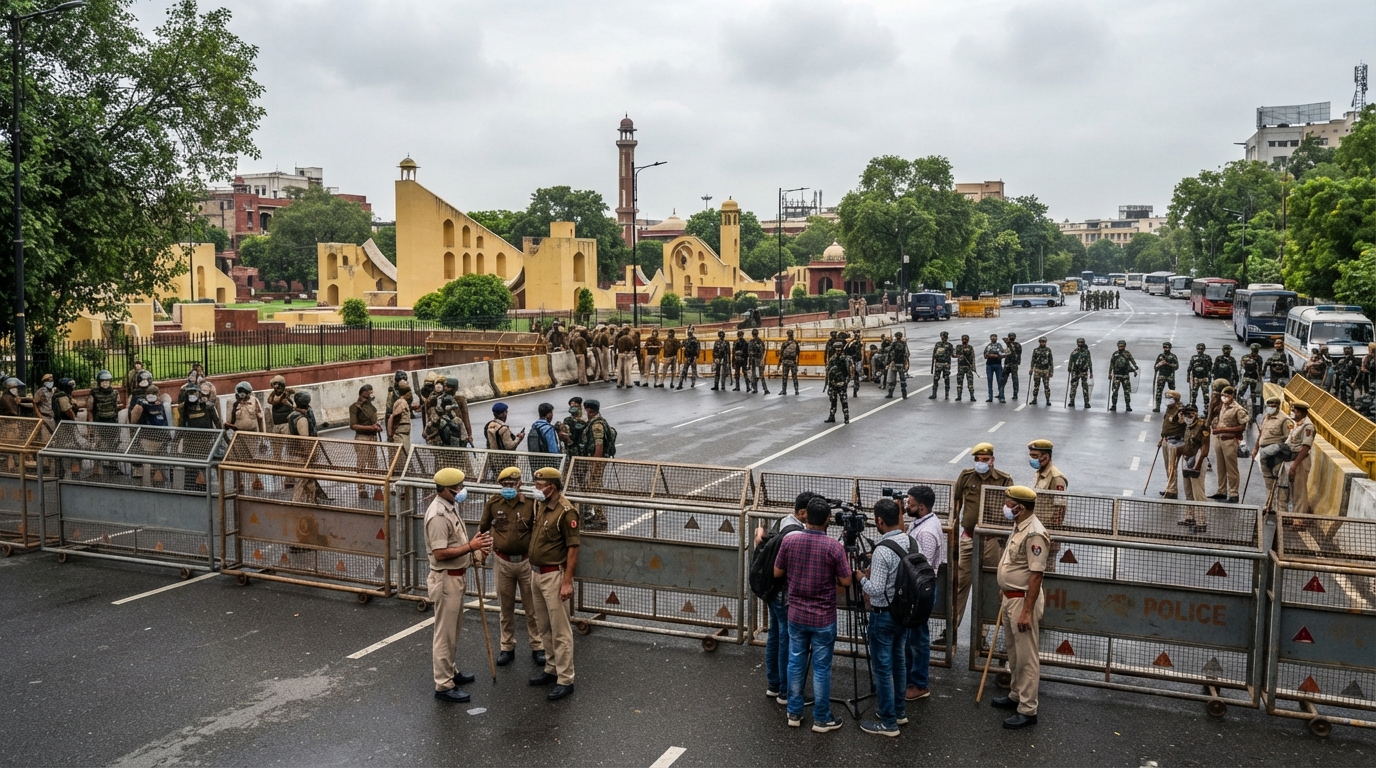

A Delhi court on Sunday ordered the release of Cockroach Janta Party leaders Abhijeet Dipke, Saurav Das, and Ashutosh Ranka following a day of preventive detention connected to planned demonstrations in the national capital. The trio walked free after being produced before a Special Executive Magistrate Court at Delhi Cantonment.
According to party representatives, the release was granted on condition that the three figures maintain peace and good behavior for a period of one year. Each leader furnished surety bonds amounting to ₹50,000 to comply with the judicial directive issued under provisions of the Bharatiya Nagarik Suraksha Sanhita.
Delhi Police had taken the three activists into custody on Saturday shortly after their flight from Mumbai landed at the Indira Gandhi International Airport. Police action unfolded ahead of a proposed mobilization at Jantar Mantar targeting Chief Election Commissioner Gyanesh Kumar over disputes surrounding the Special Intensive Revision of electoral rolls.
Law enforcement authorities invoked Sections 126 and 170 of the BNSS, citing security considerations and the absence of formal clearance for the sit-in demonstration. The preventive detentions prompted swift legal challenges from the party, with petitions filed before higher judicial forums regarding the whereabouts of the detained organizers during the initial hours of custody.
Following the court proceedings on Sunday morning, party legal representatives confirmed the release order on social media platforms. The leadership team is scheduled to address media personnel later in the afternoon to outline their next steps regarding the ongoing political mobilization.
The detentions and subsequent court mandates highlight continuing tensions in New Delhi over public assembly restrictions and electoral roll disputes. Authorities remain deployed across key central zones to monitor further demonstrations called by opposition groups and political actors.