
CJI Kant Urges Introspection on Responsiveness of Judicial Process
Chief Justice of India Surya Kant has called for introspection on whether the judicial process needs greater responsiveness, pointing to a rising trend of litigants seeking urgent hearings in the Supreme Court.
News Desk · November 2, 2026 · 2 min read
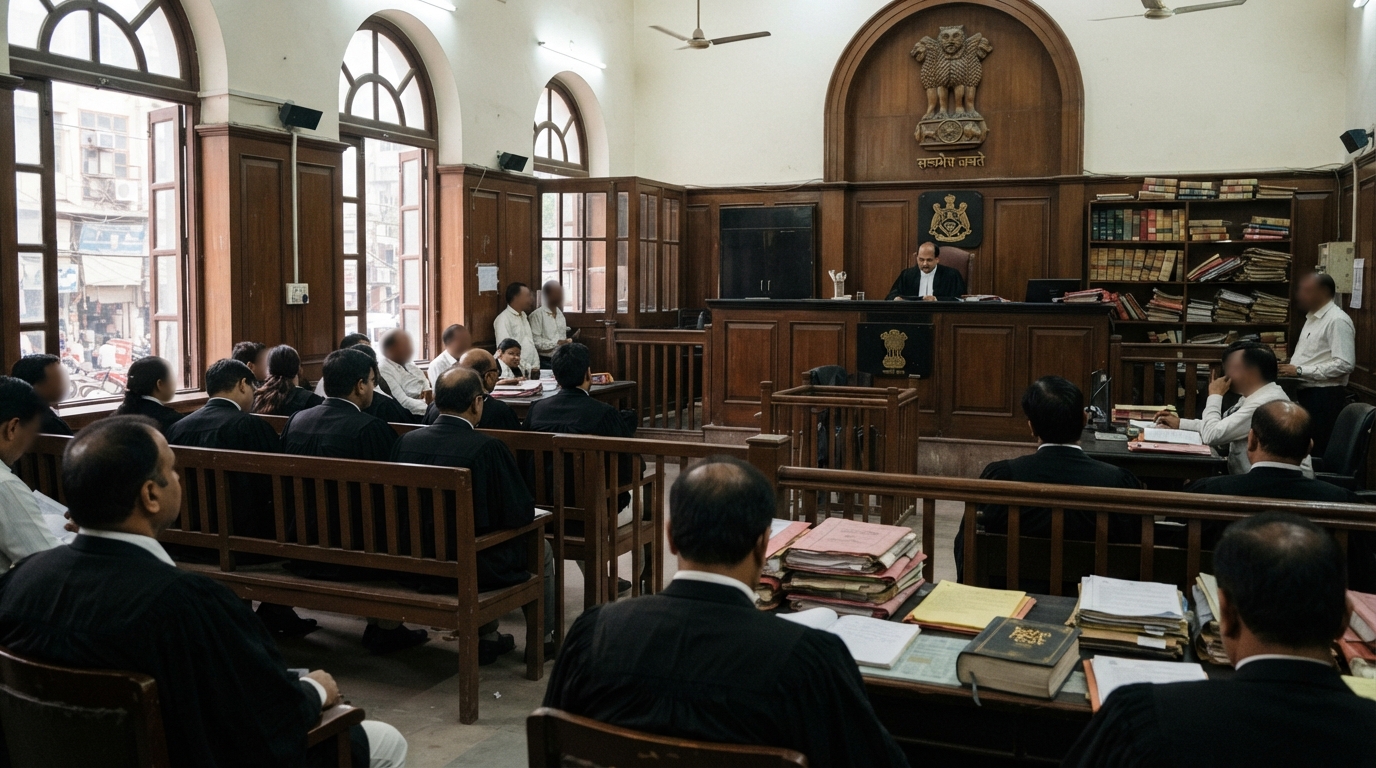

Chief Justice of India Surya Kant on Sunday called for deep introspection on whether the institutional processes of the judiciary require greater responsiveness. Speaking at the platinum jubilee celebrations of the Kerala High Court in Kochi, he pointed to a growing tendency among litigants to move the Supreme Court for urgent listings and early hearings of matters pending before various High Courts.
The remarks bring focus to the operational strains faced by appellate courts and the mounting pressure on the apex court's docket. While acknowledging that the Supreme Court has consistently respected the institutional autonomy of High Courts and their authority to regulate their own rosters, Justice Kant stated that the frequency of such petitions invites broader evaluation.
Addressing the gathering, the Chief Justice raised several critical queries regarding systemic delays and predictability. He questioned whether urgent matters can be identified more effectively, whether listing procedures can be made more transparent, and whether technology can be better utilized to prioritize cases where delays might cause irreversible prejudice.
A central concern raised during the address was the geographical concentration of legal recourse. Justice Kant asked whether a litigant's access to timely justice should depend heavily upon their ability to travel to the national capital, emphasizing that constitutional justice in India does not begin or end in New Delhi.
The strength of the Indian judicial framework lies in a network of 25 constitutional High Courts spread across the country, each tasked with upholding the rule of law and protecting citizen rights. These regional courts remain closely connected to the everyday realities of local populations, understanding regional grievances and the practical impact of administrative actions.
Under Article 226 of the Constitution, High Courts possess a wide jurisdictional canvas to craft meaningful remedies across statutory, administrative, and contractual disputes. Justice Kant noted that the power to grant timely interim relief is equally vital, as the difference between justice and injustice often rests on timely judicial intervention.
The platinum jubilee event was attended by Union Minister of State for Law and Justice Arjun Ram Meghwal, Supreme Court judge Justice Sarasa Venkatanarayana Bhatti, and Kerala High Court Chief Justice Soumen Sen. The discussions are expected to encourage administrative reviews across state judiciaries to streamline docket management and improve local grievance redressal.