BJP Unveils Eight Candidates For Uttar Pradesh Rajya Sabha Elections
The ruling party has announced its roster of eight nominees for the upcoming Upper House elections in Uttar Pradesh, introducing a blend of organizational figures.
News Desk · · 1 min read
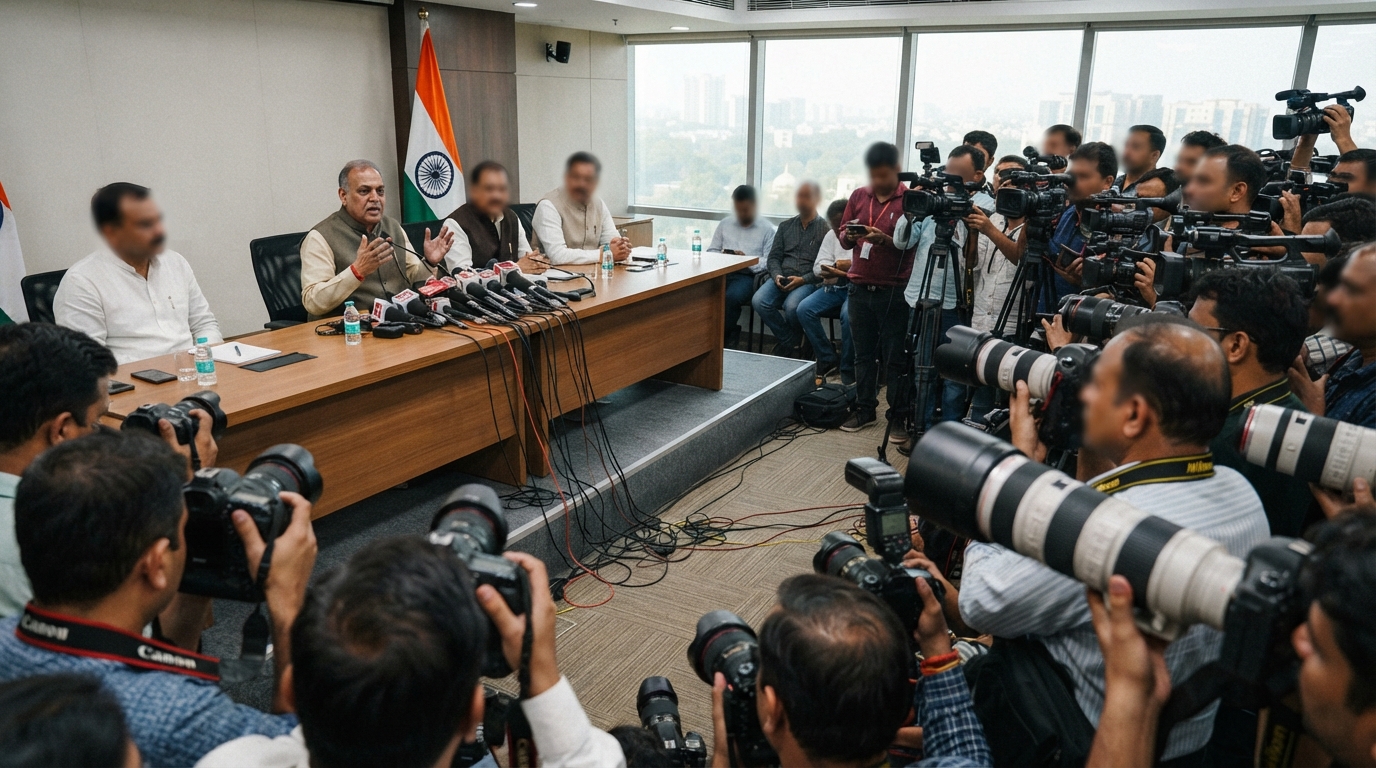

The Bharatiya Janata Party has officially revealed its roster of eight candidates for the upcoming Rajya Sabha elections across Uttar Pradesh. The announcement follows expectations surrounding the state's legislative arithmetic, where the ruling faction is positioned to secure eight out of the ten available seats, leaving the remaining two to opposition forces [1]. Polling for these positions is scheduled to take place on October 16, 2026 [2].
The candidate list features several new faces and organizational functionaries, reflecting a deliberate mix of Other Backward Classes, Dalits, and upper-caste leaders alongside two women candidates. The lineup unveiled by the party comprises Radhakant Ojha, Prakash Pal, Dharampal Singh, Vidyasagar Sonkar, Ram Pratap Singh Chauhan, Gopi Krishna Pandey, Priyanka Singh Rawat, and Shruti Gangwar.
Notable exclusions from the fresh list include outgoing members such as Union Minister Hardeep Singh Puri and Banwari Lal Verma. Political observers note that leaving out sitting incumbents marks a major structural shift in the party's representation strategy for the Upper House from the northern state.
Nomination filings for the biennial elections close on Tuesday, October 6, 2026. To secure a berth in the 245-member Upper House, each candidate must gather 37 first-preference votes from members of the state legislative assembly. With the current party strength in the assembly, the organization comfortably expects to sail through for its designated share of seats.
The contest forms part of a broader cycle of Upper House polls covering multiple states. State leaders have emphasized that the selection strategy is designed to balance regional representation and grassroots organizational commitment as political formations gear up for future legislative milestones in the region.