
Bengaluru restaurants tighten hygiene protocols after safety crackdowns
Bengaluru eateries and luxury hotels are overhauling kitchen protocols, ramping up staff training periods, and increasing internal audits following recent state food safety inspections.
News Desk · October 8, 2026 · 1 min read
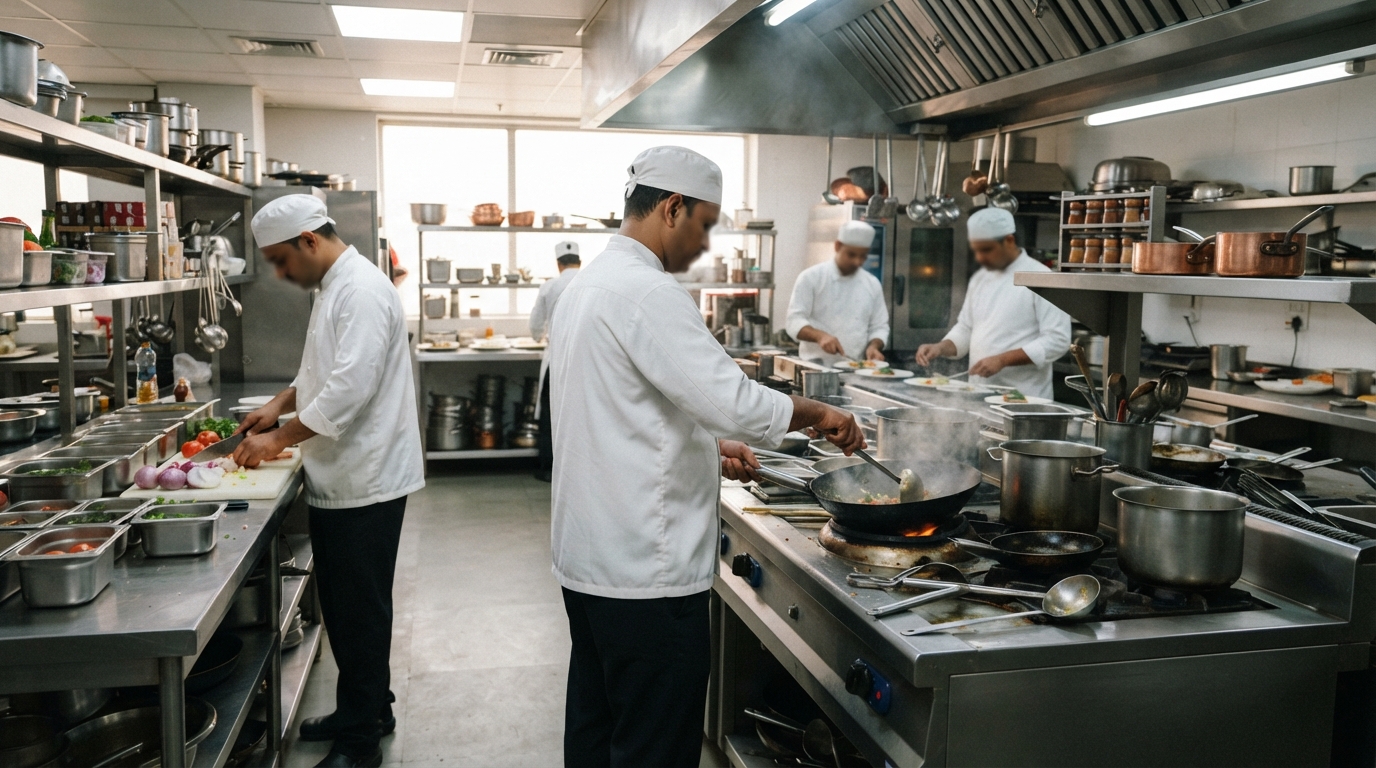

Restaurants and luxury hotels across Bengaluru are overhauling their kitchen protocols, extending staff training periods, and conducting rigorous internal audits following a series of surprise enforcement drives by state food safety authorities.
The shift in industry practices comes in the wake of intensive inspections by the Karnataka Food Safety and Drug Administration. Recent raids on commercial kitchens across the city uncovered multiple violations, including expired raw materials, improper storage of meat and fish, and poor sanitary conditions, prompting operators to re-evaluate compliance from the ground up.
Hospitality sector players report that recruitment criteria and onboarding procedures have become significantly stricter. New kitchen personnel are now subjected to extended orientation periods before commencing regular duties, with many establishments introducing mandatory certification requirements aligned with Food Safety and Standards Authority of India guidelines.
According to industry representatives, hiring platforms and hospitality agencies have noted a distinct delay in staff deployment as candidates undergo thorough evaluations on cross-contamination prevention and hygiene maintenance. Premium hotels are also placing a greater emphasis on recruiting graduates from formal culinary institutions who possess documented training in food safety protocols.
State health officials and municipal authorities have maintained pressure on commercial food operators through continued advisories and consultations. Authorities have urged establishments to install transparent glass viewing partitions or kitchen CCTV systems, set up temperature-controlled storage chambers, and clearly display manufacturing and expiration dates on all ingredients.
While industry associations have previously raised concerns regarding the severity of punitive surprise raids, individual restaurateurs acknowledge that consumer confidence has taken precedence. Management teams are establishing independent monitoring committees to conduct unannounced checks, ensuring that operational hygiene remains consistent rather than superficial preparation for official visits.
Enforcement wings have indicated that monitoring drives will continue across commercial kitchens, catering units, and digital-first food delivery warehouses. Establishments found flouting regulatory frameworks face escalating fines, mandatory corrective notices, and potential licence suspensions under state health statutes.