Bengaluru's Metro Phase 3 Promises to Reshape the Daily Commute for Two Million Residents
The new corridors will connect the city's fastest-growing suburbs to its tech corridors, but questions remain over timelines, land acquisition, and the last mile.
Bengaluru Correspondent · October 1, 2026 · 7 min read
Updated October 1, 2026, 18:01 IST
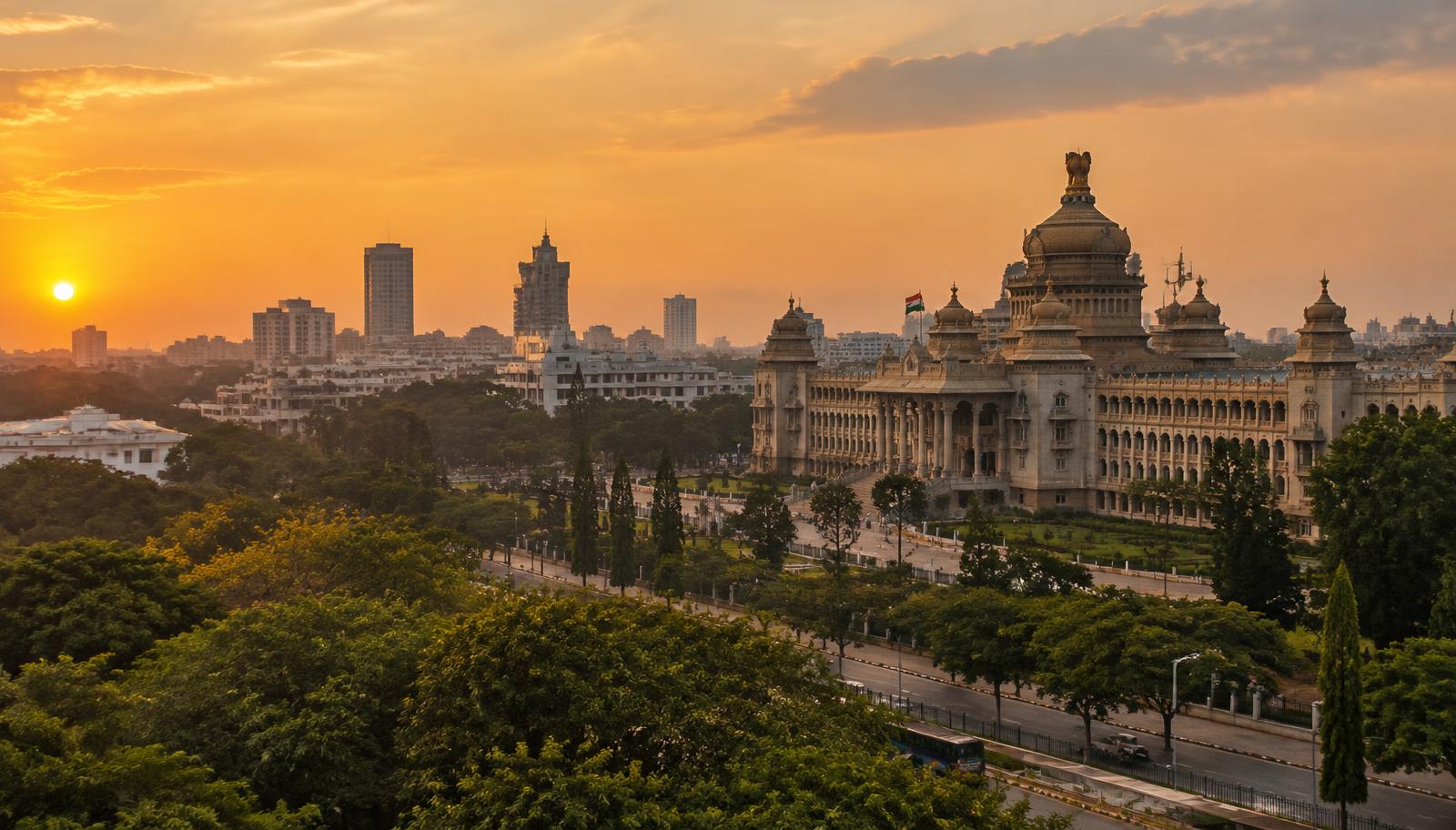

Bengaluru's long-awaited Metro Phase 3 moved from blueprint to groundwork this week, as officials confirmed the first civil contracts for two corridors that together promise to redraw how the city moves. The lines — stretching from the western suburbs toward the eastern technology belt — are projected to carry nearly two million riders a day once complete.
For a city that has built its economic identity on speed of thought rather than speed of travel, the stakes are unusually high. Average commute times in the outer corridors have crossed ninety minutes, and urban planners warn that congestion now costs the metropolitan economy an estimated several thousand crore rupees annually in lost productivity.
The new alignment deliberately threads through neighbourhoods that earlier phases bypassed. Residents of these areas have watched property listings quietly reprice within days of the alignment maps being published — a familiar pattern in a city where infrastructure announcements move markets faster than earthmovers.
Yet the challenges are substantial. Land acquisition along the northern stretch remains contested, with shopkeepers' associations demanding revised compensation. Officials insist the lessons of Phase 2's delays have been absorbed: utility shifting will run ahead of viaduct construction, and a single empowered committee will arbitrate disputes.
Transport economists caution that the metro alone will not solve the last-mile problem. Feeder buses, pedestrian infrastructure, and parking policy will determine whether the new lines become the city's spine or merely another overloaded artery. The state government has promised an integrated mobility plan by early next year.
For now, the barricades going up along the corridor are being read as a promise. Whether Bengaluru's patience — tested by a decade of construction dust — will be rewarded depends on execution, not announcements.