Bengal Sets 500m Distance for New Urban Liquor Shops Near Schools and Temples
The West Bengal government has tightened retail liquor licensing rules, mandating a 500-metre buffer from schools and religious sites in urban areas and 1 km elsewhere.
Political Correspondent · October 1, 2026 · 2 min read
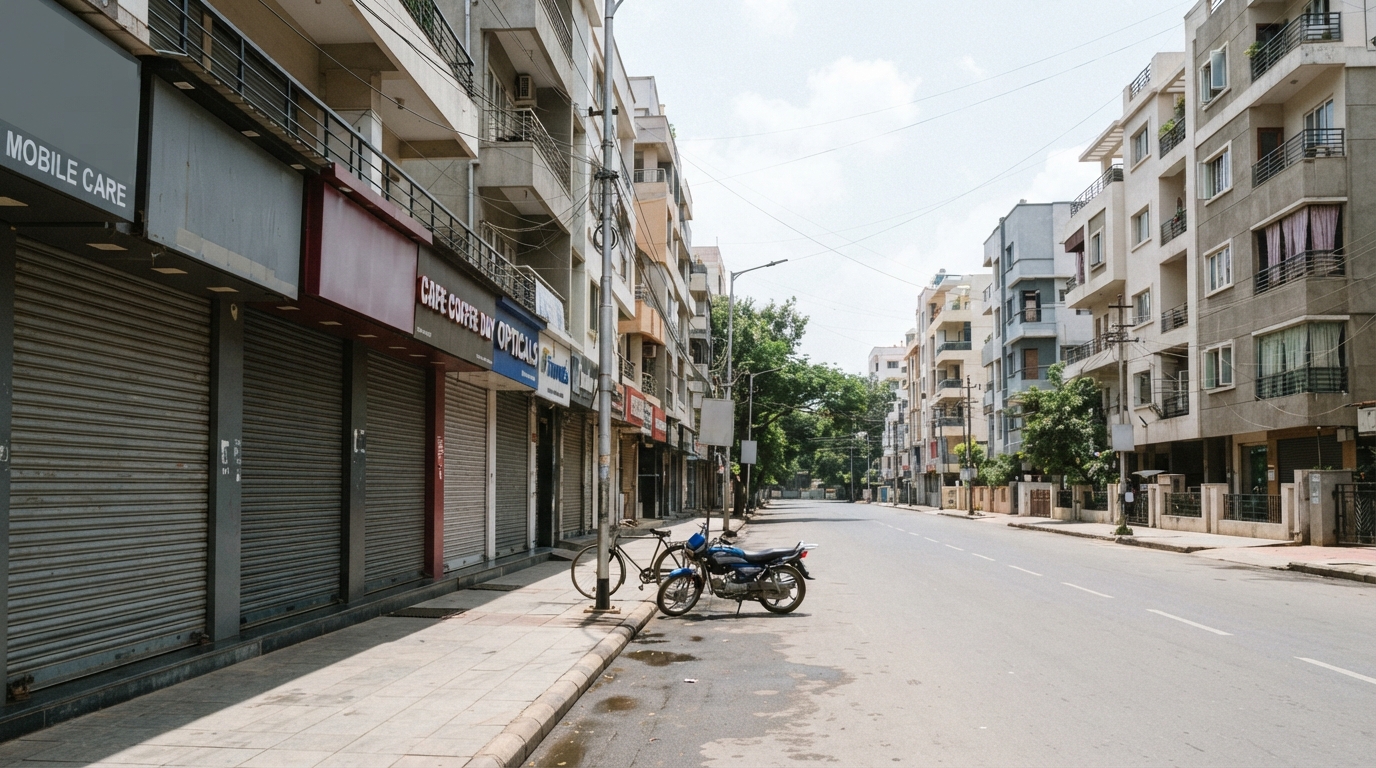

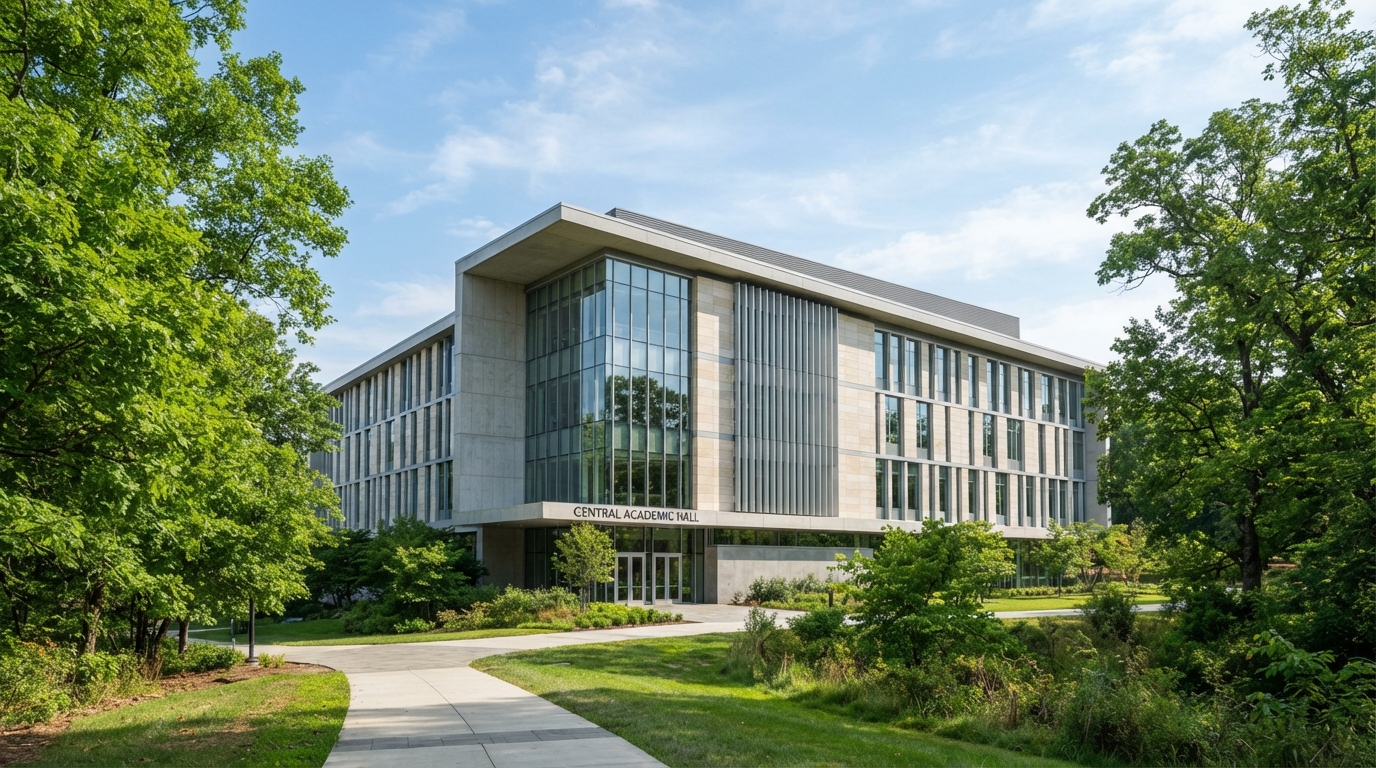
The West Bengal government has officially tightened its retail liquor trade policies by increasing the mandatory distance criteria for new outlets from educational institutions and places of worship. According to recent official updates, new liquor shops in urban and municipal jurisdictions will now need to maintain a minimum distance of 500 metres from sensitive zones like schools, colleges, and religious sites. Meanwhile, a stricter distance requirement of one full kilometre has been instituted for rural and non-municipal parts of the state.
State Liquor Association Secretary Bijan Patra noted that the revised notification outlines explicit exclusion zones for future licence applications. Under the prior framework, the minimum mandatory gap required was approximately 300 metres, equivalent to 1,000 feet. The latest policy shift follows earlier announcements made by Chief Minister Suvendu Adhikari, who had stated that his administration would restrict liquor sales near major community and student hubs.
Despite the elevated standards for incoming applicants, officials have clarified that existing establishments will remain unaffected. Current data indicates that more than 4,000 bars, off-shops, and general liquor outlets currently operate within a one-kilometre radius of educational and religious institutions across West Bengal. These legacy vendors will be permitted to continue operations under their current framework without facing retroactive closures due to the new distance criteria.
The updated guidelines also address administrative procedures for shifting or expanding existing operations. According to industry stakeholders, if an active liquor vendor intends to relocate its premises into a shopping mall of any size, the distance restrictions specified under Rule 8 will not apply. Additionally, the state circular provides pathways for roughly 300 previously shut liquor shops—closed due to litigation or surrenders—to potentially reopen under specific compliance conditions.
Concurrently, the policy introduces provisions under Section 4P of the Excise Act regarding the establishment of new off-shops linked to bars. This particular inclusion has sparked some debate among trade operators. Industry veterans have expressed apprehension that sharing a designated profit margin with the West Nagar State Beverages Corporation (Bevco) under Section 4P could compress profit margins for private retailers operating under this specific provision.
Overall, the policy attempts to balance commercial retail operations with community welfare considerations by creating wider buffer zones around student and spiritual centres in new approvals. While public health advocates and local bodies have frequently urged caution regarding proximity to vulnerable zones, implementation of the framework will continue to be monitored by district collectors and the state excise commissioner.